A chair suggests an activity
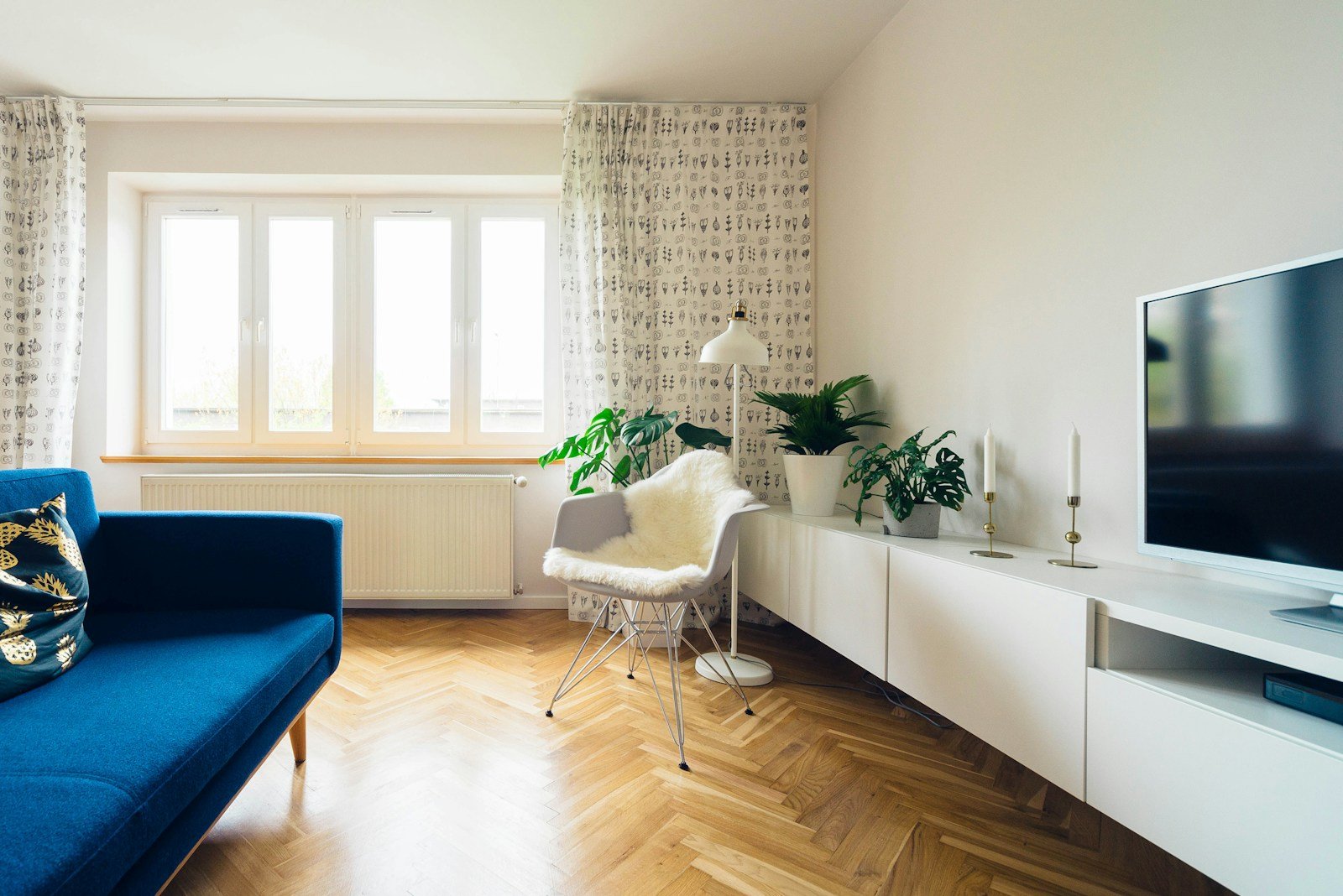
Place a chair beside a window and the corner begins to suggest reading or looking outside. Turn it toward another seat and it becomes part of a conversation. The object stays the same; the relationship changes.
This is why small furniture moves can have a large effect on a room. They alter what the space invites someone to do without requiring a complete redesign.
Look beyond the silhouette
A chair may look striking while feeling wrong for the activity you have in mind. A brief pause, a long reading session, and working at a table ask different things of a seat.
If possible, try the chair in the way you intend to use it. Pay attention to comfort, reach, and whether it is easy to stand up or shift position. A photograph cannot answer those questions.
Add only what completes the use
A small table might hold a cup. A light might support evening reading. These additions work best when they complete a specific activity rather than simply filling the surrounding space.
Leave the chair some visual breathing room. A corner can feel intentional without being densely styled. The person who uses it should remain the most important part of the composition.
Let familiarity become value
A well-used chair can carry the memory of daily life: a favorite reading time, a view, or a conversation. That value is different from novelty or visual impact.
Before searching for a replacement, try changing the chair’s location or its relationship to nearby objects. Sometimes a familiar piece only needs a better place to belong.
ONE IDEA TO TAKE HOME
Move a chair toward a view, add a surface within reach, and see whether you naturally use the corner.
Keep this perspective for later.
Open your reading list ↗Neayer publishes general design observations and original editorial ideas. This article is not a report on a named architectural project. Our editorial approach