Name the real activities
A room label does not describe everything that happens in a space. A living room might also be a reading spot, a place for homework, and the setting for a long conversation. Start by listing those activities.
Choose the two or three that matter most. Trying to give every possible use equal priority can leave the room feeling unresolved. A clear primary use makes later decisions about furniture and storage easier.
Arrange for conversation and movement
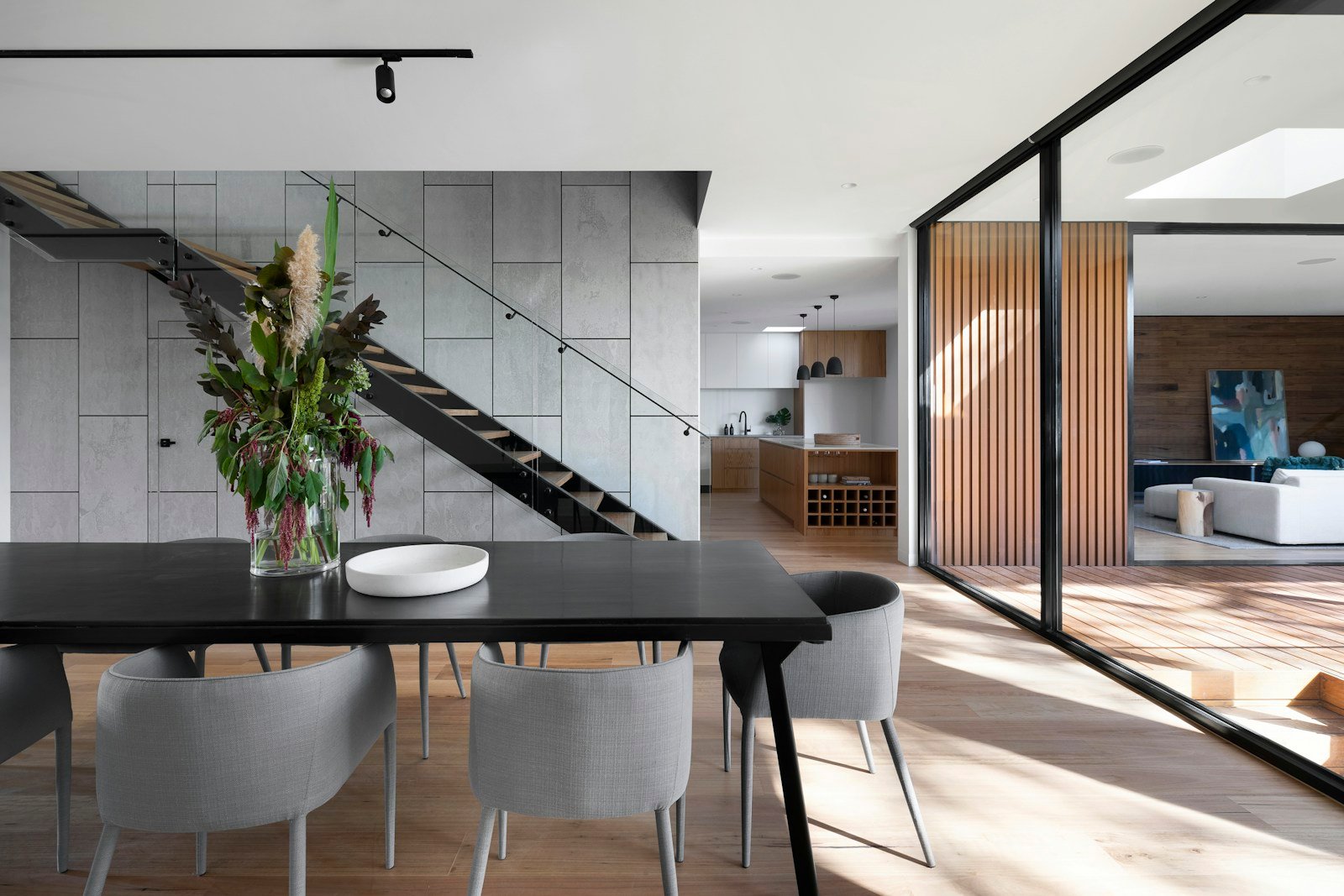
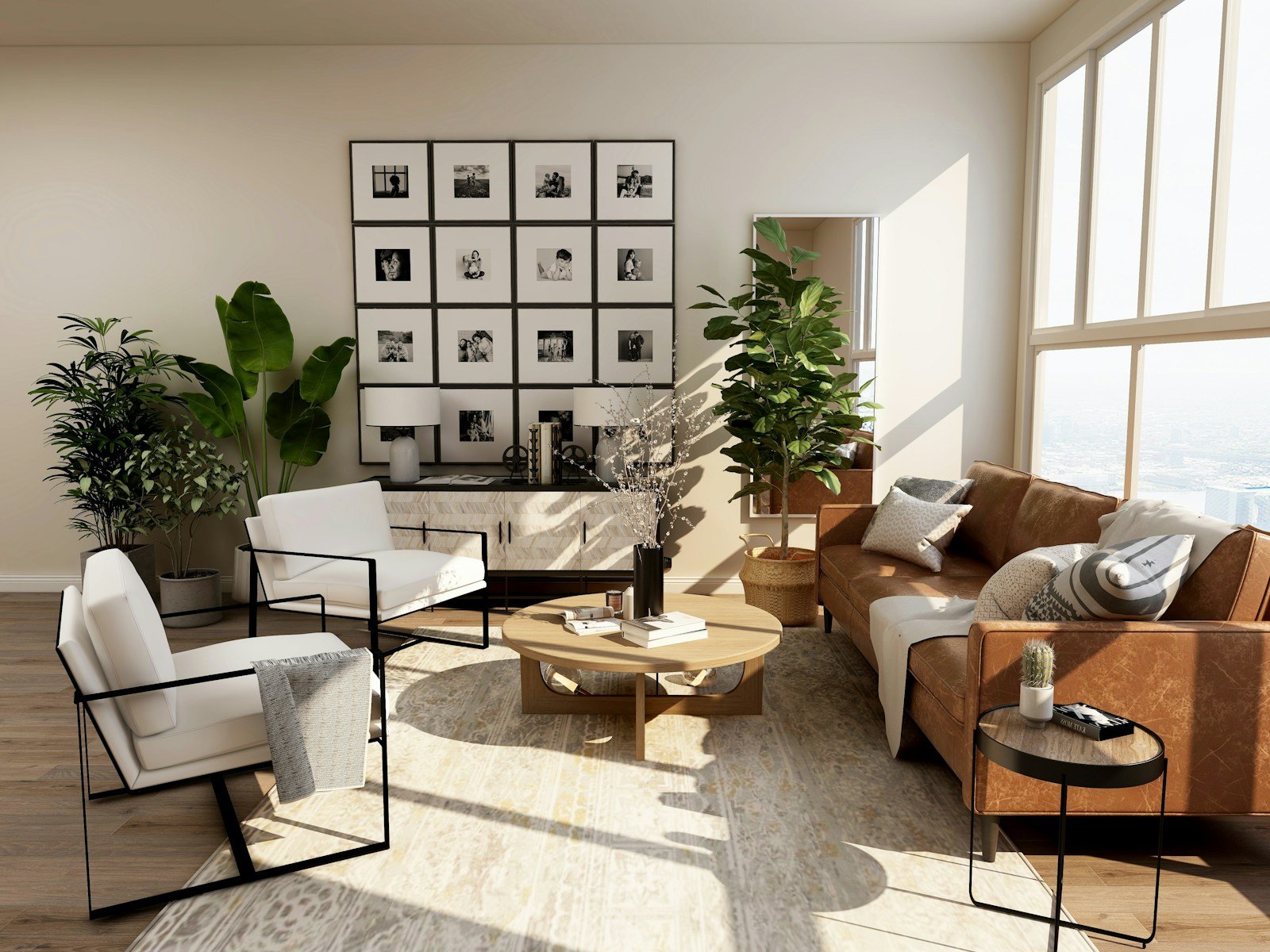
Place seating in relation to other seating, not only to the walls. A chair angled toward the sofa can make the room feel more conversational. Leave routes that allow people to move without stepping between every seat.
Test the arrangement with the furniture you already have. Walk through carrying a bag or a tray. A layout that looks balanced in a photo may feel awkward when someone actually uses the room.
Give objects room to breathe
A room can hold meaningful objects without putting all of them on display at once. Group a few pieces with a shared quality, such as material or color, and leave some surfaces open.
This does not require a minimalist aesthetic. It is a way to make the things you care about easier to notice. A little space around an object can give it more presence than adding another object beside it.
Make comfort visible
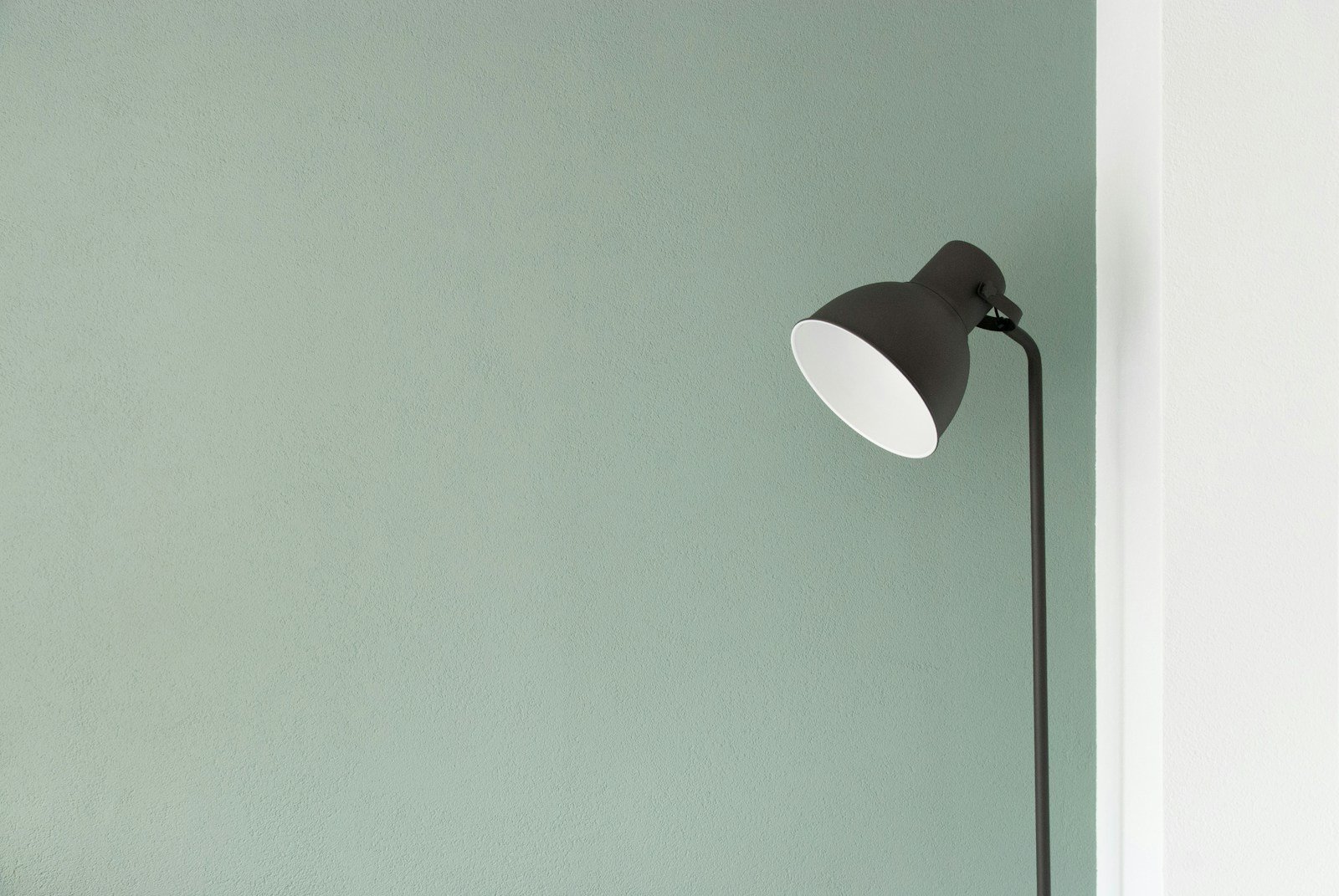
A lamp near the reading chair, a table within reach, and a textile that invites someone to sit can communicate use without explanation. These small relationships help a room feel ready for everyday life.
After making a change, live with it for several days. Pay attention to what people naturally move or ignore. That feedback is more valuable than preserving a perfect arrangement that nobody enjoys.
ONE IDEA TO TAKE HOME
Choose one everyday activity and arrange the furniture around doing it comfortably.
Keep this perspective for later.
Open your reading list ↗Neayer publishes general design observations and original editorial ideas. This article is not a report on a named architectural project. Our editorial approach