Start with the overall atmosphere
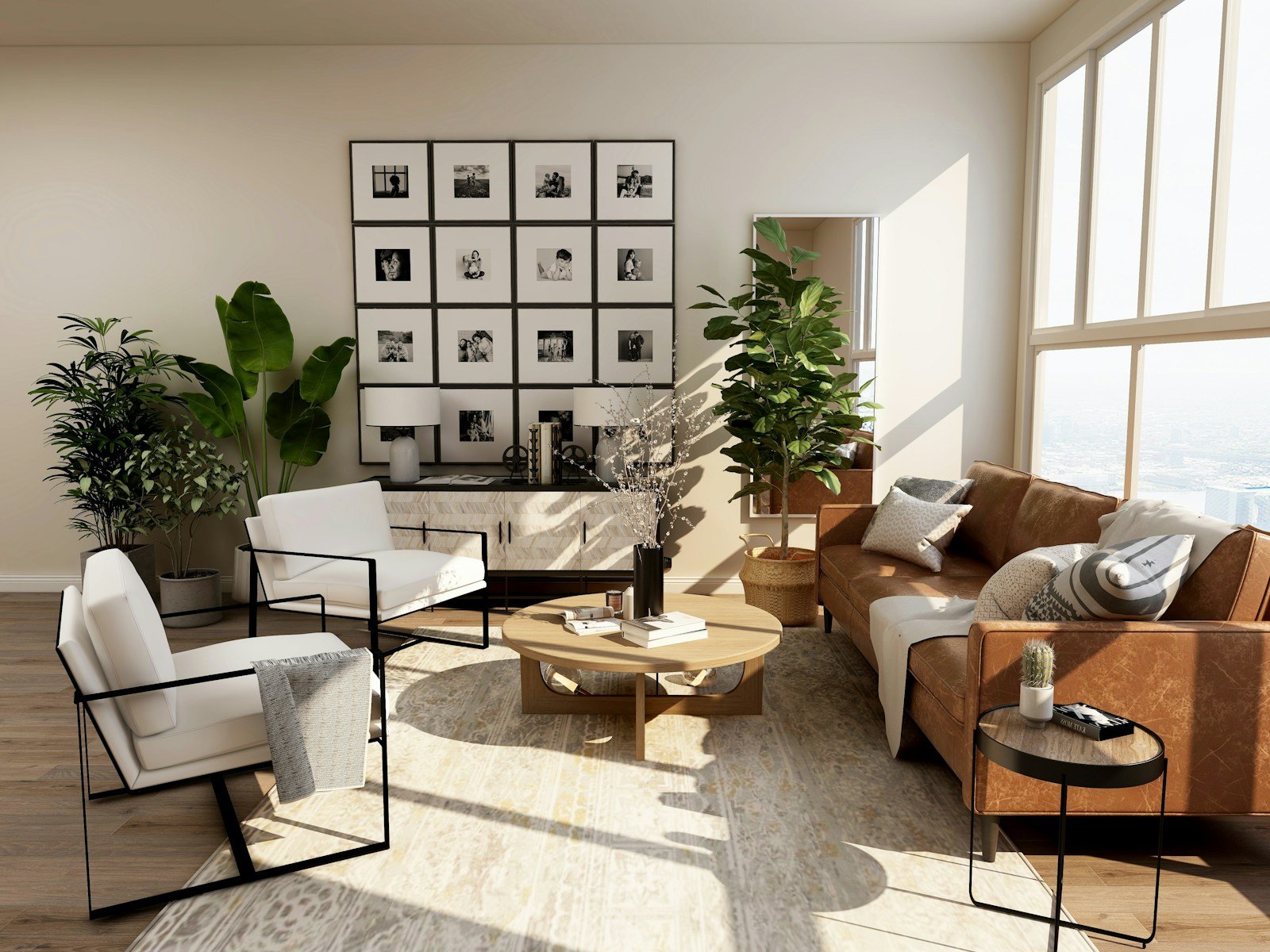
Ambient light makes a room usable as a whole. It may come from ceiling fixtures, bounced light, or a combination of sources. The goal is to understand the background level before adding more focused light.
Notice whether one bright source dominates the room while corners remain dark. Adding light in a different position can change the balance more effectively than simply increasing brightness in the same place.
Put light where work happens
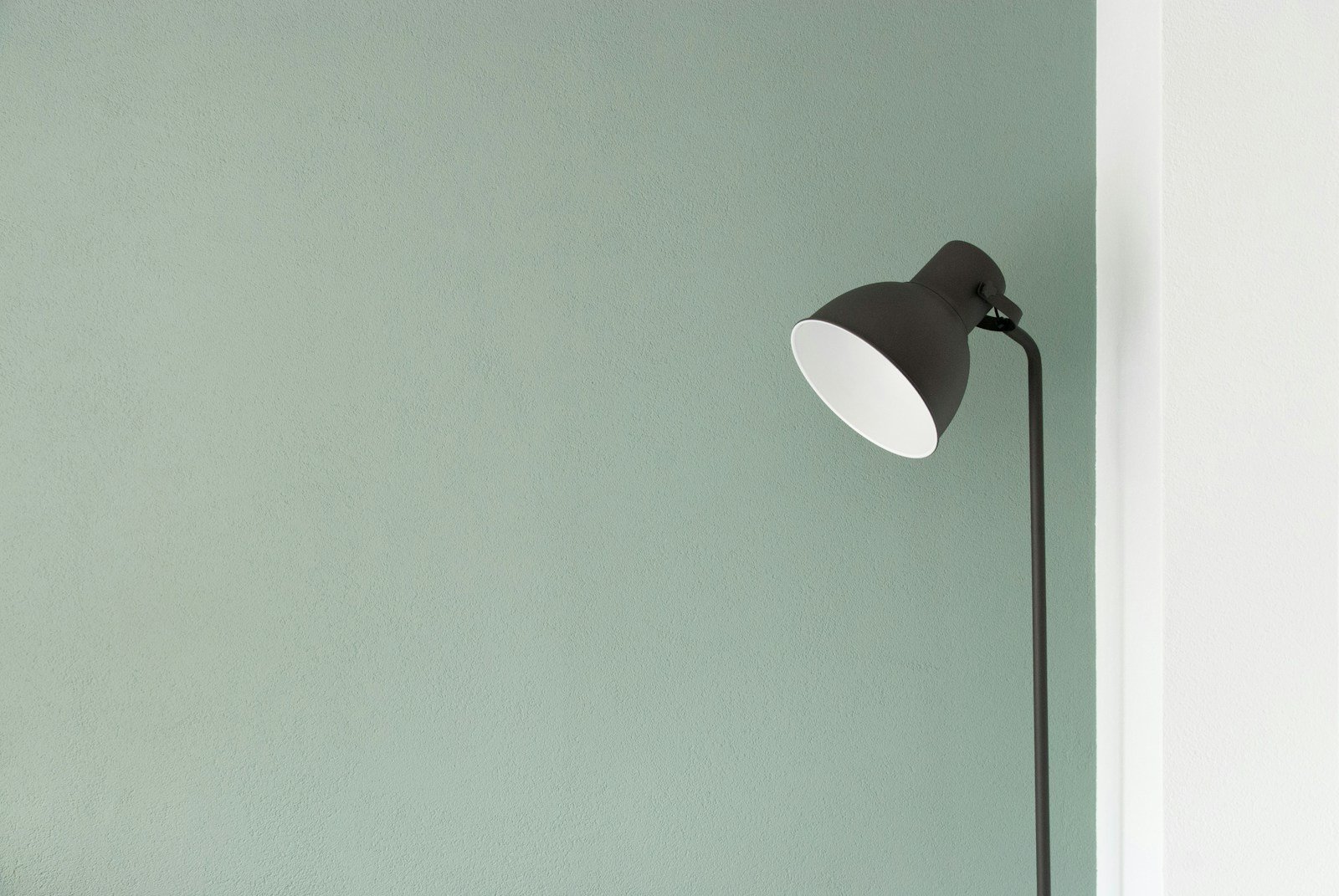
Task lighting supports a specific activity: reading, preparing food, or working at a desk. Its placement should follow the activity and the position of the person doing it.
Try a lamp in several locations before settling on one. Check for reflected glare on a screen and for shadows on the surface you use. Small changes in angle can make a noticeable difference.
Choose a quiet focal point
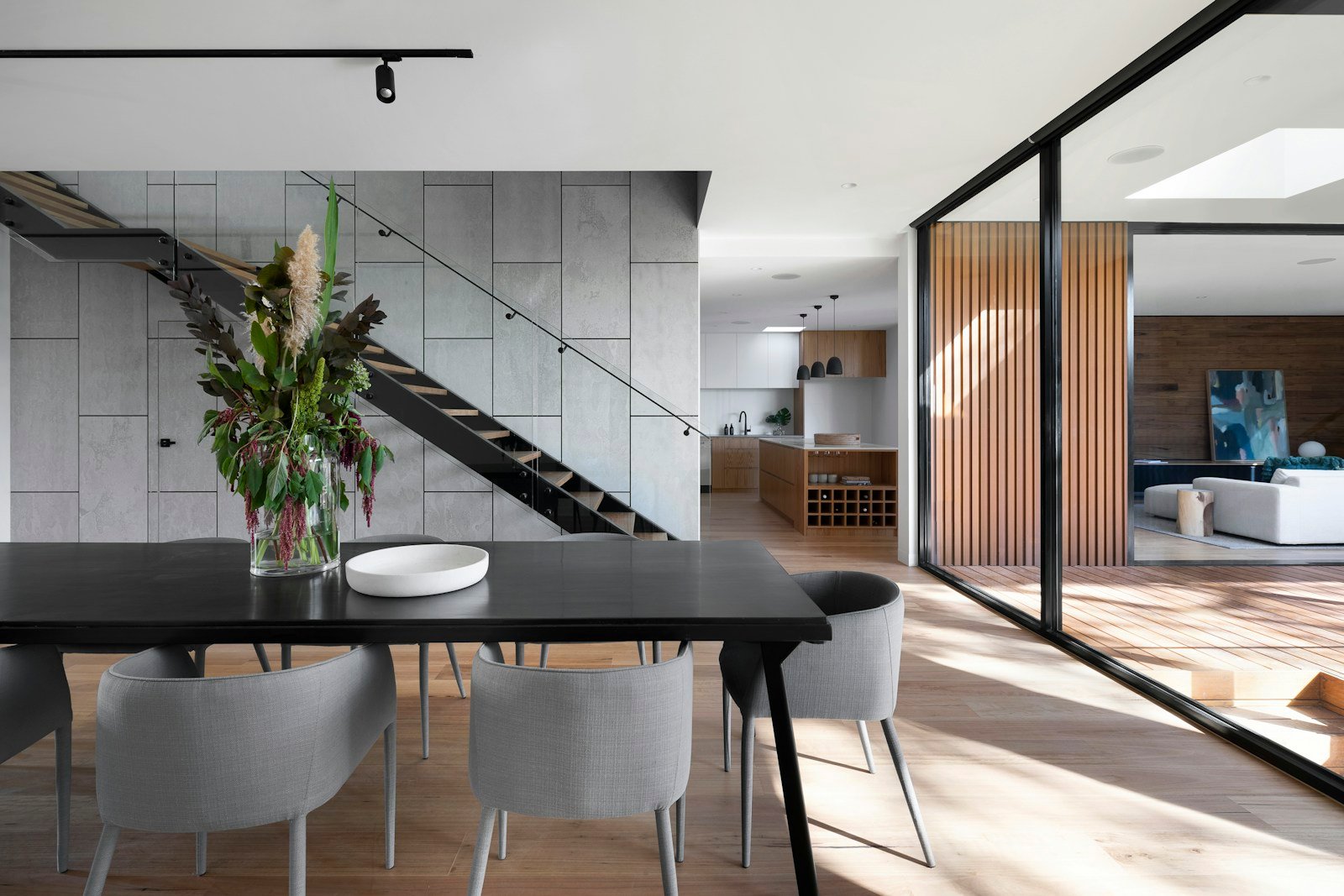
Accent light draws attention to one part of the room, such as a textured wall, a piece of art, or a shelf. It works best when you have chosen what deserves emphasis.
Not every corner needs a spotlight. A few calmer areas allow the lit elements to have a clearer role. Think of contrast as part of the composition rather than a problem to eliminate everywhere.
Test the room after sunset
Lighting decisions made only in daylight can miss the way a room is used in the evening. Turn on different combinations of lights and look from the places where people sit.
Keep the combinations that support the mood and activity you want. If you are planning changes to fixed wiring or fixtures, the final installation belongs with an appropriately qualified professional.
ONE IDEA TO TAKE HOME
Try turning off the ceiling light and using two well-placed lamps to understand what the room still needs.
Keep this perspective for later.
Open your reading list ↗Neayer publishes general design observations and original editorial ideas. This article is not a report on a named architectural project. Our editorial approach